
If you are considering sending your suitcase ahead instead of dragging it through airports and crowded streets, one question naturally comes up:
Is luggage delivery safe in India?
It is a valid concern. Your luggage carries more than clothes. It holds essentials, valuables, and things you need for your trip. Handing it over to someone else requires trust.
The short answer is yes, luggage delivery can be safe when handled by a professional, travel-focused service. But understanding how safety works is important before booking.
Let’s look at it clearly and practically.
Why Safety Feels Like a Big Question
Travelers usually worry about:
- What if my bag gets lost?
- What if something is stolen?
- What if it arrives late?
- What if it gets damaged?
These concerns come from experience with airlines and parcel systems.
Airlines move thousands of bags daily through automated belts and multiple handlers. Rail parcels move through station hubs. General courier systems are designed for packages, not personal luggage.
A dedicated luggage transfer service operates differently.
Why Luggage Delivery Can Be Safer Than Airlines
When you hand over your bag at an airport check-in counter, it enters a high-volume system. It passes through conveyor belts, sorting areas, carts, and loading crews. It changes hands multiple times.
Delays and misrouting happen because of volume.
A luggage delivery service works on a more controlled model.
Each bag is:
- Picked up individually
- Documented at source
- Assigned a tracking ID
- Transported through a monitored route
- Delivered directly to destination
Fewer touchpoints often mean lower risk.
The Key Safety Layers You Should Expect
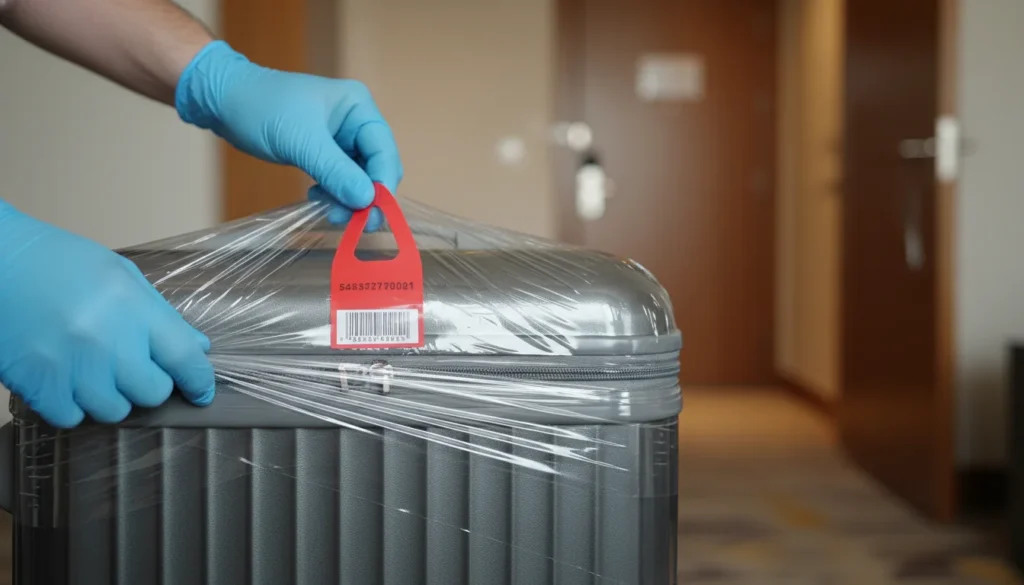
A professional luggage transfer service includes multiple protection layers.
1. Inspection and Documentation at Pickup
Safety starts at your doorstep.
Your suitcase is checked before transit. Its condition is noted. This creates accountability from the beginning.
Clear documentation reduces disputes later.
2. Protective Wrapping and Tamper Sealing
This is a major differentiator.
Suitcases are wrapped in protective material to prevent scratches, dust exposure, and surface damage. Tamper-evident seals are applied in your presence.
If anyone tries to open the bag during transit, it is immediately visible.
This adds both physical protection and psychological assurance.
3. Real-Time Tracking
Modern services provide live tracking links.
You can see when your bag leaves the pickup location, where it is in transit, and when it is nearing delivery.
Unlike airlines that may only show limited baggage updates, you get continuous visibility.
Transparency reduces anxiety.
4. Insurance and Declared Value Protection
Professional services provide insurance coverage.
At the time of booking, you declare the approximate value of your contents. In rare cases of loss or damage, compensation follows a structured process.
Before booking, check:
- Insurance limits
- Exclusions
- Claim timelines
Clear policy equals reliability.
Shipping to Tier 3 Cities and Pilgrimage Destinations

Many travelers worry about sending bags to smaller towns or spiritual destinations like Rishikesh or Kedarnath.
Here is what matters.
The final leg of delivery may involve smaller vehicles, but tracking remains consistent. The real factor is the provider’s local network.
Always choose a service with a verified presence or established network in those areas. Avoid services that outsource the final delivery to unverified third parties without visibility.
Reliable services maintain tracking and support even in smaller cities.
How to Make Your Luggage Delivery Safer
You also play a role in ensuring safety.
Here are practical steps:
1. Use TSA-Approved Locks
These allow inspection without breaking your lock.
2. Photograph Your Bags
Take photos of both the inside and outside before pickup.
3. Remove Old Airline Tags
Old barcodes can confuse sorting systems.
4. Check the Seal
Ensure the tamper-proof seal is applied in your presence.
5. Avoid Restricted Items
Do not ship passports, critical medication, jewelry, or power banks.
Simple precautions increase peace of mind.
What Happens if a Bag Is Delayed?
Delays are rare but possible due to weather, traffic, or operational disruptions.
A professional service will:
- Notify you immediately
- Provide updated ETA
- Offer dedicated support assistance
- Compensate shipping cost in certain cases
Unlike airport “lost baggage” counters where you may wait in line for hours, travel-focused delivery services usually provide direct support channels.
Accountability matters.
Comparing Risks: Airline vs. Delivery
| Airlines | Luggage Delivery |
| High volume operations | Individual tracking per bag |
| Multiple handlers | Controlled handling process |
| Automated sorting systems | Direct door-to-door routing |
| Limited tracking transparency | Fewer transfers and touchpoints |
In many cases, delivery offers more direct oversight.
Environmental Impact: A Hidden Advantage
Few travelers think about this.
Airlines burn significant fuel to lift weight into the air. Sending heavy luggage separately through consolidated ground logistics networks can reduce unnecessary fuel burden.
Many urban logistics providers are also shifting toward electric vehicles for last-mile delivery.
It can be a more efficient transport model.
Is It Worth the Cost?
Safety and cost go together.
Consider excess baggage fees:
Domestic airlines often charge ₹500–₹600 per extra kilogram.
20kg excess can cost ₹10,000 or more.
A dedicated luggage transfer for the same weight typically costs much less, depending on distance and delivery speed.
You are not just paying for transport.
You are paying for:
- Security
- Wrapping
- Tracking
- Convenience
- Time saved
- Physical comfort
For families, students relocating, or wedding travel, the value becomes clear.
Signs You Are Choosing a Safe Service
Before booking, look for:
- Transparent pricing
- Insurance coverage details
- Clear tracking system
- Secure wrapping process
- Defined delivery timelines
- Accessible customer support
If these are visible and structured, the service is likely reliable.
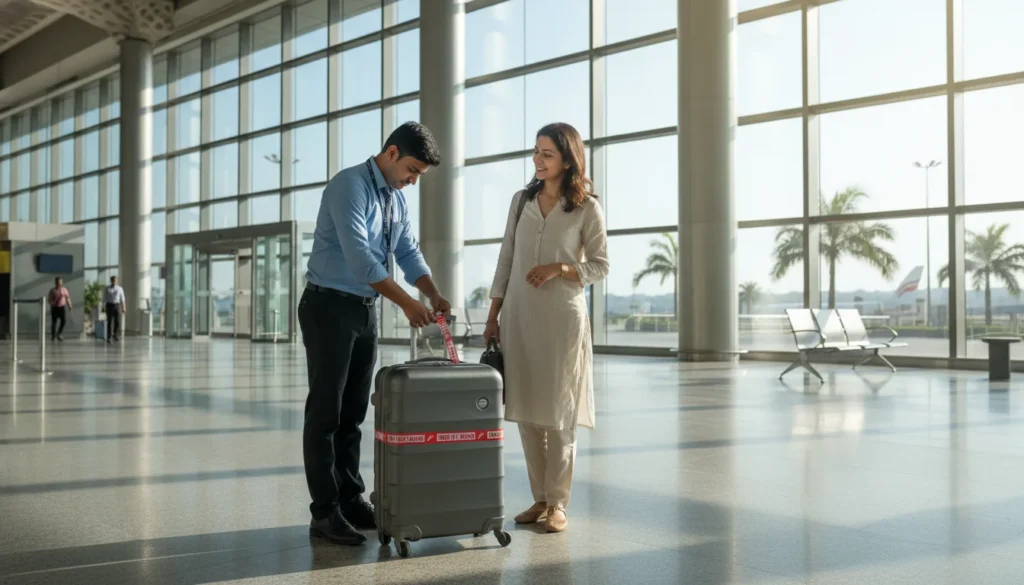
The Bottom Line
So, is luggage delivery safe in India?
Yes, when handled by a professional, travel-focused provider.
Modern tracking systems, protective wrapping, tamper seals, and insurance coverage significantly reduce risk.
No transport system in the world is zero-risk. But with the right service and simple precautions, luggage delivery can be secure, predictable, and stress-free.
Instead of carrying heavy bags through crowded terminals, you let a structured system handle the logistics.
You gain comfort.
You gain time.
You gain flexibility.
And most importantly, you travel lighter, physically and mentally.
Frequently Asked Questions
Costs vary based on distance and weight, but specialized luggage couriers are generally 70% cheaper than airline excess baggage fees. For the best rates, choose a standard delivery window rather than an express one.
Yes, you can use general couriers, but specialized luggage services like Bagfloat often provide better rates and specific features like tamper-proof sealing and door-to-door pickup that standard couriers might not prioritize.
Standard delivery usually takes 3 to 5 business days. Express options can get your bags there in 24 to 48 hours, though this comes at a higher price point.
Reputable services provide insurance and real-time tracking. If a bag is lost, you can file a claim based on the insured value declared during booking. However, the loss rate for these services is significantly lower than that of commercial airlines.
Most services can handle anything from a 5kg box to 50kg+ consignments. If you are shipping very heavy items, just ensure you mention the weight during booking so the right vehicle is sent for pickup.
